


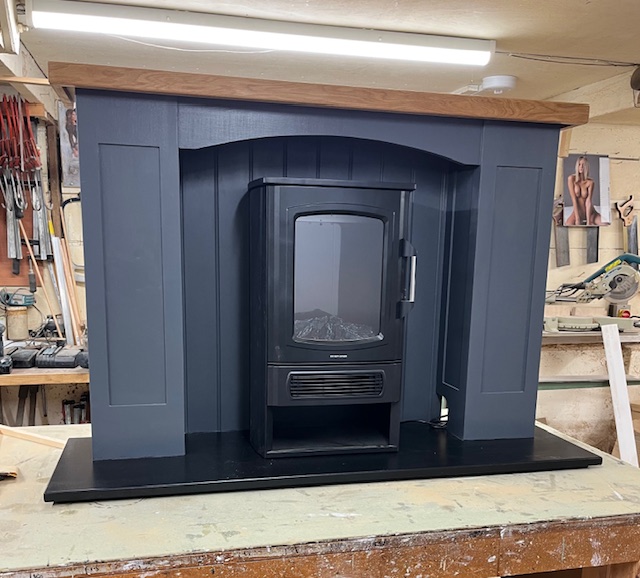
24 Aug Can a Carpenter Make Bespoke Furniture?
Yes, an experienced carpenter can design and make bespoke furniture specifically for your home, available space and individual requirements.
From fitted wardrobes and alcove cupboards to bookcases, media units, home-office furniture and handmade tables, bespoke carpentry gives you the opportunity to have furniture made to the dimensions, style and finish you want.
This can be particularly useful when standard furniture doesn’t fit properly, you have an awkward space to make use of, or you simply want something individual that has been made specifically for your home.
What Is Bespoke Furniture?
Bespoke furniture is furniture made specifically for an individual customer rather than mass-produced in standard sizes.
Instead of choosing something from a showroom and hoping it fits, a carpenter can work with the dimensions of your room and design furniture around the space.
Depending on the project, you may be able to choose:
- Overall dimensions
- Layout and configuration
- Storage requirements
- Timber or sheet materials
- Doors and drawers
- Handles and hardware
- Shelving
- Colour and finish
- Decorative details
- Internal fittings
The result is furniture designed around how you want to use it and where it needs to fit.
What Bespoke Furniture Can a Carpenter Make?
A skilled carpenter can potentially create a wide range of fitted and freestanding furniture.
Popular projects include:
Fitted Wardrobes
Bespoke fitted wardrobes can be designed to make better use of the available space in a bedroom.
They can be particularly useful in rooms with alcoves, chimney breasts, sloping ceilings or unusual dimensions where standard wardrobes leave wasted gaps.
The internal layout can also be designed around your requirements, with combinations of hanging rails, shelving, drawers and storage compartments.
Alcove Units
The spaces on either side of a chimney breast are ideal for bespoke furniture.
A carpenter can create alcove cupboards, shelving or bookcases that fit neatly between the surrounding walls.
Rather than purchasing freestanding furniture that doesn’t quite fill the space, bespoke units can be made to look like they belong in the room.
Bespoke Bookcases and Shelving
If you have a large book collection or want display storage, a carpenter can build shelving to fit the available wall space.
This could range from simple floating shelves to a complete floor-to-ceiling fitted bookcase.
Media Units and TV Furniture
Modern living rooms often need to accommodate televisions, sound systems, games consoles, speakers and cables.
A bespoke media unit can be designed around your equipment, providing storage while helping keep cables and devices organised.
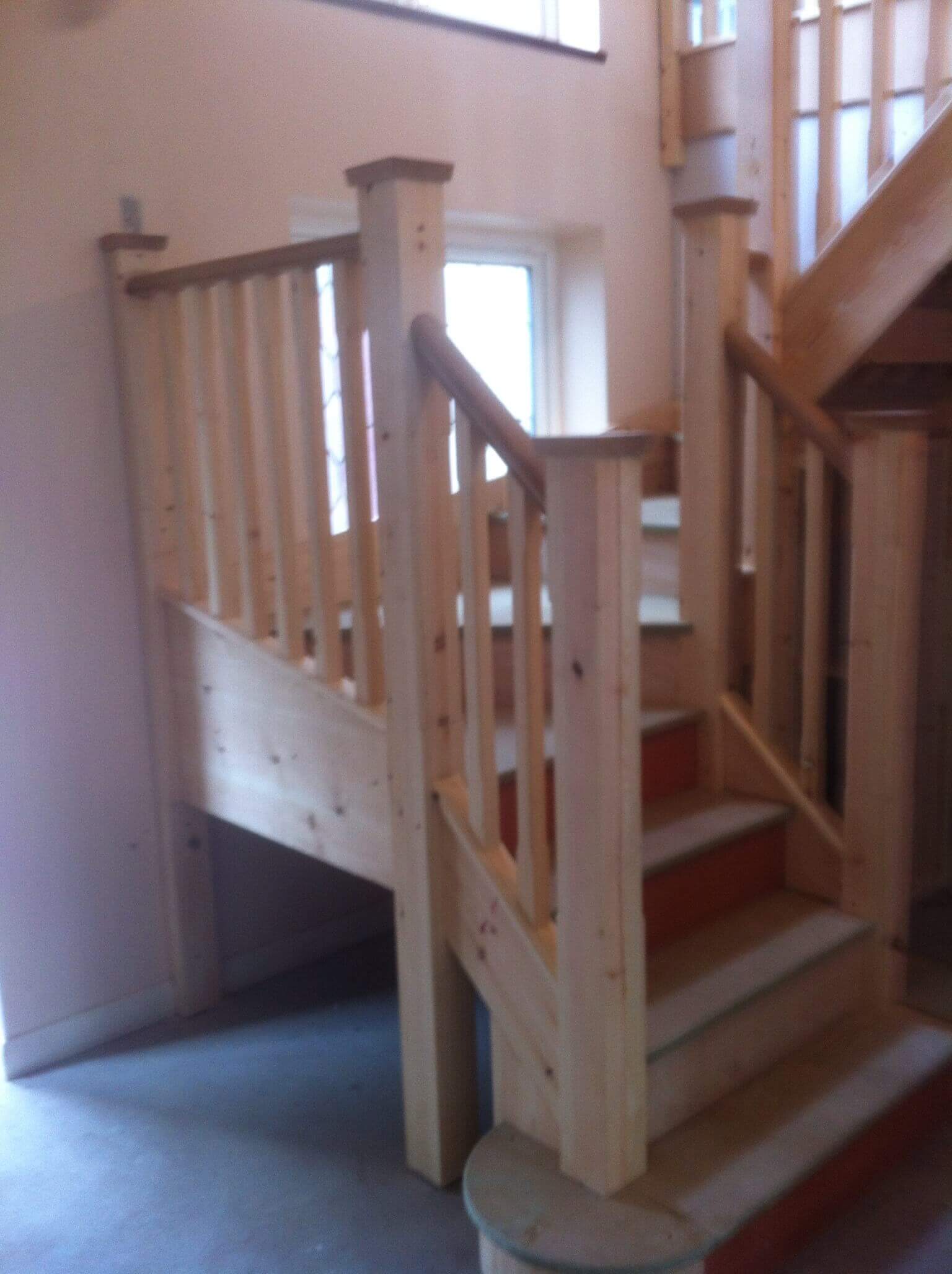
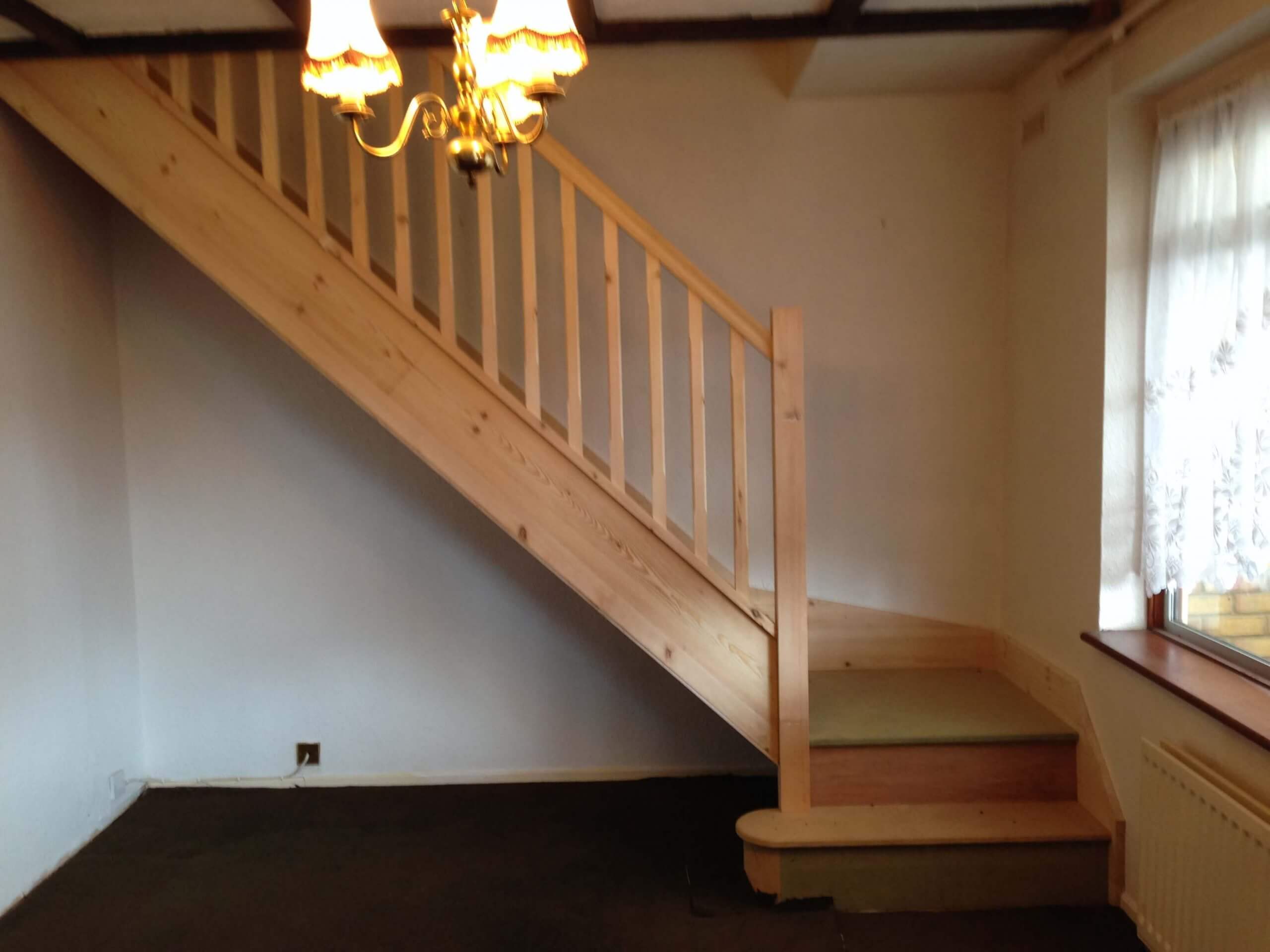
Under-Stairs Storage
The area beneath a staircase is often difficult to use efficiently with standard furniture.
A carpenter can design made-to-measure under-stairs cupboards, drawers or shelving to turn an awkward space into practical storage.
Home Office Furniture
Working from home has created greater demand for desks and storage that fit naturally into existing rooms.
A carpenter can build a desk into an alcove, create fitted shelving or design a complete home-office setup around the space available.
Handmade Tables and Freestanding Furniture
Bespoke carpentry isn’t limited to fitted furniture.
Depending on their skills and workshop facilities, a carpenter may also create freestanding pieces such as:
- Dining tables
- Coffee tables
- Benches
- Cabinets
- Sideboards
- Console tables
- Storage chests
- Shelving units
These pieces can be made to specific dimensions and designed to complement the style of your home.
Can a Carpenter Make Furniture for an Awkward Space?
This is one of the biggest advantages of choosing bespoke furniture.
Homes aren’t always perfectly square, and older properties in particular can have uneven walls, chimney breasts, sloping ceilings and unusual room layouts.
Standard furniture is manufactured to predetermined dimensions. Bespoke furniture can instead be designed around the space itself.
A carpenter can take detailed measurements and create furniture that works with features such as:
- Sloping ceilings
- Loft rooms
- Alcoves
- Chimney breasts
- Under-stairs areas
- Narrow spaces
- Uneven walls
- Bay windows
- Small bedrooms
- Unusual corners
This can help make use of areas that might otherwise be wasted.
Can a Carpenter Design the Furniture for Me?
Yes. You don’t necessarily need to arrive with a finished technical drawing.
You might simply know that you need more storage, want a fitted bookcase or have an awkward area you’d like to make better use of.
A carpenter can discuss what you need, measure the available space and suggest a practical design.
Customers often provide inspiration from photographs, magazines, social media or furniture they’ve seen elsewhere. These ideas can be used as a starting point for creating something suited to your own home.
Can a Carpenter Make Furniture From a Picture?
A photograph or sketch can be extremely useful when discussing a bespoke furniture project.
If you’ve seen a style of wardrobe, cabinet, shelving unit or table that you like, showing the carpenter a picture can help communicate the look you’re trying to achieve.
Rather than creating an exact copy of another maker’s protected design, the carpenter can use your inspiration to develop an individual piece that suits your space, dimensions and requirements.
What Materials Can Be Used for Bespoke Furniture?
The choice of material will depend on the design, intended use, appearance and budget.
Options can include various solid timbers, veneered boards, plywood, MDF and combinations of different materials.
For painted fitted furniture, for example, a suitable furniture-grade sheet material may provide an excellent finish. For a natural dining table or other feature piece, solid timber may be preferred.
A carpenter can discuss the advantages and disadvantages of different materials and recommend an appropriate option for the project.
Is Bespoke Furniture Better Than Shop-Bought Furniture?
Neither option is automatically right for everyone.
Standard furniture can be convenient and cost-effective when you can find something that suits your room.
Bespoke furniture becomes particularly attractive when you need something that standard sizes can’t provide.
You might choose bespoke furniture because you want:
- Furniture made to exact dimensions
- Better use of available space
- A particular design or style
- Specific storage arrangements
- A choice of materials and finishes
- Furniture that complements your property
- Something individual rather than mass-produced
The value isn’t simply that the furniture is handmade. It’s that it has been designed specifically for your space and requirements.
How Much Does Bespoke Furniture From a Carpenter Cost?
There isn’t a standard price for bespoke furniture because every project is different.
The cost can depend on:
- Size of the furniture
- Complexity of the design
- Choice of materials
- Number of doors and drawers
- Hardware and fittings
- Type of finish
- Workshop time
- Installation requirements
A simple fitted cupboard will naturally cost less than a large wall of fitted cabinetry with multiple doors, drawers, shelving and specialist finishes.
For an accurate price, a carpenter will usually need to understand what you want and take measurements before preparing a quotation.
How Long Does Bespoke Furniture Take to Make?
Timescales vary depending on the size and complexity of the project, the materials required and the carpenter’s current workload.
Unlike mass-produced furniture, bespoke pieces need to be measured, designed, manufactured, finished and installed specifically for you.
It’s worth discussing expected lead times when requesting your quotation, particularly if you need the furniture completed before moving house, decorating a room or another important date.
What Is the Process for Having Bespoke Furniture Made?
Although every carpenter works differently, a typical project may involve:
Initial discussion – You explain what you’re looking for, where the furniture will go and any ideas you already have.
Measuring – The space is measured accurately, particularly for fitted furniture.
Design – The layout, dimensions, materials and finish are agreed.
Quotation – You receive a price based on the agreed specification.
Manufacture – The furniture is made in the workshop or prepared for construction on site, depending on the project.
Installation – Fitted furniture is installed and adjusted to suit the room.
Finishing – Any final adjustments or finishing work is completed.
This gives you the opportunity to be involved in the decisions rather than simply choosing from a catalogue.
Is Bespoke Furniture Worth It?
If you simply need a basic piece of furniture and standard sizes work perfectly in your room, an off-the-shelf option may be all you need.
However, bespoke furniture can be particularly worthwhile when space, appearance, storage or individuality matter.
A well-designed piece can make use of areas that standard furniture cannot, while giving you control over how the finished furniture looks and functions.
For many homeowners, this is particularly valuable for fitted wardrobes, alcove units, under-stairs storage and other areas where every centimetre of available space counts.
How Do I Choose a Carpenter for Bespoke Furniture?
Before commissioning a project, look at examples of the carpenter’s previous work.
Photographs of completed projects can give you a good indication of their style, craftsmanship and experience with the type of furniture you’re considering.
It’s also worth discussing:
- Your budget
- Materials
- Design ideas
- Finishes
- Timescales
- Installation
- What is included in the quotation
Good communication is particularly important with bespoke work because the finished furniture is being created specifically for you.
Looking for a Carpenter to Make Bespoke Furniture?
Whether you need fitted wardrobes, alcove cupboards, bespoke shelving, a media unit, under-stairs storage or an individual piece of handmade furniture, working with a carpenter gives you the freedom to create something designed specifically for your home.
Instead of trying to make standard furniture fit an awkward space, bespoke carpentry allows the furniture to be made around the room.
Get in touch to discuss your ideas and arrange a quotation for your bespoke furniture project.
Frequently Asked Questions
Can a carpenter make fitted furniture?
Yes. Many carpenters make fitted wardrobes, cupboards, shelving, bookcases, media units and other furniture designed specifically for a particular room or space.
Can a carpenter make furniture to any size?
Bespoke furniture can generally be made to a wide range of dimensions, subject to practical considerations such as materials, access, structural requirements and the design itself.
Can a carpenter build furniture into an alcove?
Yes. Alcoves are particularly well suited to bespoke carpentry because cupboards and shelving can be made to fit the available width, height and depth.
Can a carpenter make fitted wardrobes with sloping ceilings?
Yes. Made-to-measure wardrobes can be designed around sloping ceilings and unusual room shapes, making them particularly useful in loft conversions and attic bedrooms.
Can a carpenter build under-stairs storage?
Yes. Bespoke cupboards, shelving and pull-out storage can be designed to make use of otherwise awkward space beneath a staircase.
Can I show a carpenter a picture of what I want?
Absolutely. Photographs, sketches and inspiration images can help communicate the style and features you’re looking for. The carpenter can then develop a suitable design for your particular space and requirements.
Is bespoke furniture more expensive than buying from a shop?
It often costs more than mass-produced furniture because it involves individual design, materials, skilled labour and installation. However, you’re receiving furniture made specifically for your space rather than a standard-size product.
Do carpenters make freestanding furniture as well as fitted furniture?
Some do. Depending on their specialism and workshop facilities, a carpenter may make dining tables, cabinets, benches, sideboards and other freestanding pieces as well as fitted furniture.

Sorry, the comment form is closed at this time.